 Reusable Belt Condoms

Health Info

“pH-balanced” on an intimate wash sounds reassuring, but your vagina doesn’t need a special product to stay balanced. A healthy vagina is naturally acidic, with a pH of about 3.8 to 4.5. NHS guidance is to wash the skin around the vagina (the vulva) once a day with warm water, and if you like, a mild unperfumed soap, and never to wash inside the vagina. Perfumed products, scented wipes and douching are the things most likely to upset that balance.
What vaginal pH means
pH measures how acidic something is: the lower the number, the more acidic. According to Cleveland Clinic, a typical vaginal pH is between 3.8 and 4.5.
Several everyday things can raise pH (make it less acidic) for a while:
- semen, condoms and lubricants;
- douching, or hygiene products with irritating chemicals or fragrance;
- antibiotics, which kill helpful as well as harmful bacteria;
- hormonal changes, for example just before a period and after menopause.
A raised pH is linked with infections such as bacterial vaginosis and trichomoniasis.
Plain water, soap or an intimate wash?
| Option | What the guidance says |
|---|---|
| Warm water | Enough on its own. Cleveland Clinic recommends warm water only. |
| Mild, unperfumed soap | The NHS says you can use it gently on the skin around the vagina. |
| Perfumed soap or shower gel | Can irritate the skin and affect the balance of bacteria and pH inside the vagina (NHS Devon sexual health service). |
| Scented wipes, sprays or “feminine” wipes | Best avoided; they can cause irritation (NHS). |
| Douching (washing inside the vagina) | Never. It can remove helpful bacteria and make thrush or bacterial vaginosis more likely. |
None of these sources recommends a special “pH-balanced” wash. If you choose one, pick an unperfumed product, use it only on the outside, and stop if it stings or itches. If you have bacterial vaginosis, or it keeps coming back, NHS advice is different: do not use vaginal washes, deodorants or douches, and wash the genital area with water and plain soap.
If your skin is sensitive
An NHS vulval-care leaflet advises:
- cleaning the vulva once a day, without over-washing, which can make symptoms worse;
- a soap substitute (emollient) if soap feels drying;
- patting dry with a soft towel;
- loose cotton or silk underwear, and avoiding fragranced washing powders and fabric conditioners;
- not using panty liners every day.
Home pH tests
Kits with colour-changing paper can show whether your vaginal pH is raised. According to Cleveland Clinic, they can’t tell you why it’s raised or which infection you might have, so they don’t replace a check-up.
When to see a doctor
See a GP or sexual health clinic if your discharge changes colour, smell or texture, or if you have itching, soreness, unusual bleeding or pelvic pain. The NHS lists some typical patterns:
- a fishy smell can point to bacterial vaginosis;
- thick, white, cottage-cheese-like discharge to thrush;
- green, yellow or frothy discharge to trichomoniasis.
Don’t try to wash a smell away. Extra washing or douching can make things worse, and the cause may need treatment. For comfort during sex if you have dryness, see our water-based lubricants.
The takeaway
For most people, warm water is enough to keep the vulva clean; a “pH-balanced” wash is optional, not necessary. If you use one, choose a mild, unperfumed product and use it on the outside only. If you have bacterial vaginosis, the NHS advises against vaginal washes altogether. See a doctor about any change in discharge, smell, itching or soreness rather than trying another wash.
Sources
- Cleveland Clinic: Vaginal pH
- NHS: Bacterial vaginosis
- NHS: Vaginal discharge
- Devon Sexual Health (NHS): Genital hygiene
- Sandwell and West Birmingham NHS Trust: Care of the vulva (patient leaflet)
About this guide: researched and drafted with AI assistance (Claude) from the sources listed above, and published by Amzad Hosen, owner of Vita Health Care. It has not been medically reviewed. This is general information, not medical advice. Last reviewed: 2 October 2026.

Related Posts
Intimate Wash and pH: What ‘pH-Balanced’ Really Means

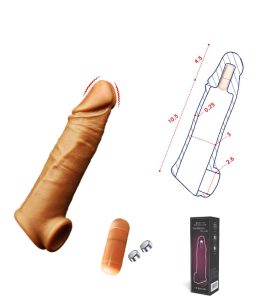
ভাইব্রেটর কনডম কী ও কীভাবে ব্যবহার করবেন
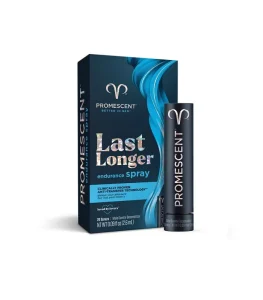
ডিলে স্প্রে কোথায় পাওয়া যায়: আসল কেনার নিয়ম
Why Opened Intimate Products Usually Can’t Be Returned
Vibrating Condom Sleeve: How It Works, Batteries and Cleaning
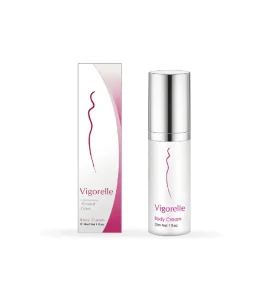
Vigorelle Gel: What It Is and How It’s Used
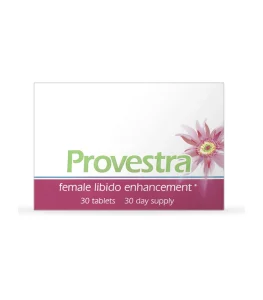
HerSolution vs Provestra: Label Comparison

Ribbed vs Dotted vs Ultra-Thin Condoms: Choosing by Preference
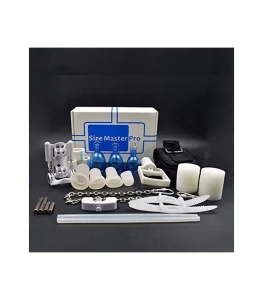
Penis Extenders: How They’re Worn and What Research Shows
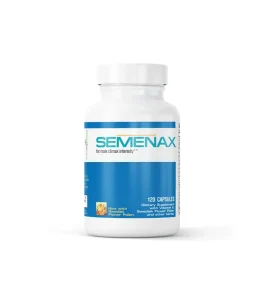
Semenax: Ingredients, Directions and Safety Questions
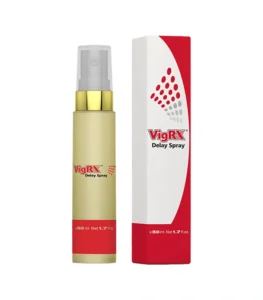
VigRX Delay Spray: What the Manufacturer Says — and What Buyers Should Verify
Spermicide Condoms: Does Nonoxynol-9 Add Protection?
