 Reusable Belt Condoms

Health Info

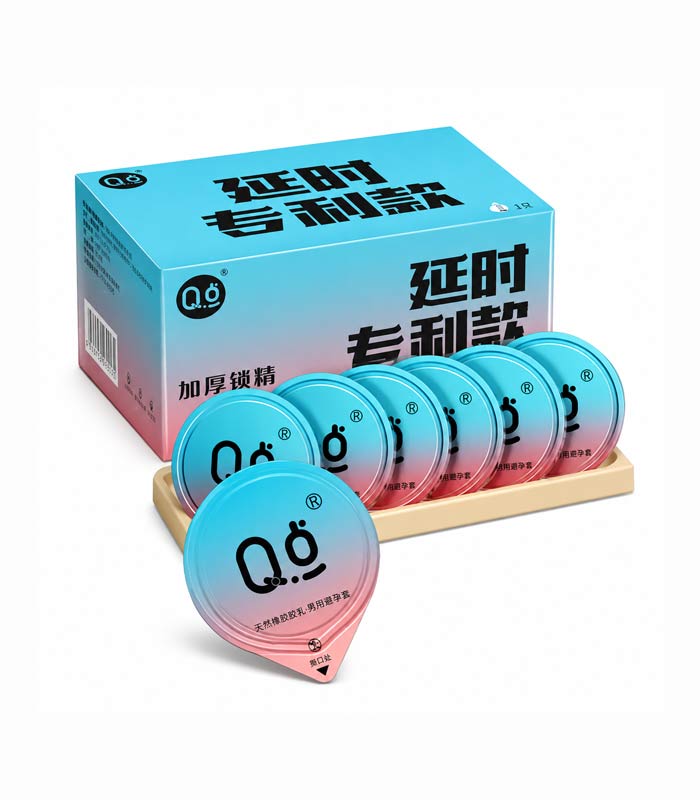
Ribbed, dotted and ultra-thin condoms differ in feel, not in the job they do. Planned Parenthood states that all latex and plastic condoms provide similar protection against pregnancy and STDs, and that using one correctly every time matters more than the style you buy. So choose by comfort and preference, then check the box for the things that do affect safety: material, size, expiry date and a quality mark.
Ribbed vs dotted vs ultra-thin at a glance
| Type | What is different | Who tends to choose it | What does not change |
|---|---|---|---|
| Ribbed | Raised rings along the outside | Couples who want more texture | Protection, if the box says it protects against pregnancy and STDs |
| Dotted (studded) | Raised dots on the outside | Couples who want more texture | The same |
| Ultra-thin | A thinner wall | People who feel standard condoms dull sensation | The same |
| Plain | Smooth surface, standard wall | Anyone; the simplest starting point | The same |
What texture changes, and what it does not
Ribs and dots are shaped into the outside of the condom, so the extra texture is mainly felt by the partner. Whether that is pleasant is personal: some people like it, some notice no difference, and some find it uncomfortable. If a textured condom causes soreness, switch to a plain one and add water-based lubricant.
Texture does not make a condom more or less protective. Planned Parenthood’s advice for ribbed or studded condoms is simply to check the box or wrapper to make sure it says the condom protects against STDs and pregnancy. Novelty items that do not say this are not for protection.
Are ultra-thin condoms as safe?
Columbia University’s health service (Go Ask Alice!) says thinner condoms are just as effective as regular ones when they have passed regulatory testing, and that condom failures are usually due to human error, such as the wrong size, too little lubricant or putting it on incorrectly. In other words, a thin condom that fits and is used properly is a better choice than a thicker one that slips or gets left in the drawer.
Do condoms reduce sensation?
Some people find that they do. Things that may help, without giving up protection:
- Check the size. A condom that is too tight or too loose is less comfortable and more likely to fail.
- Try a thinner condom. This is what ultra-thin types are made for.
- Add lubricant. A few drops of water-based lubricant reduce friction. The NHS says not to use oil-based lubricant with latex condoms.
- Try a different texture or shape. Brook, the UK sexual health charity, suggests trying a few types to find the one that works for you.
What actually affects protection
- Correct use, every time. The NHS says condoms are up to 98% effective at preventing pregnancy when used correctly every time, and about 82% effective when they are not.
- Material. Most condoms are latex. If you or your partner have a latex allergy, the NHS says not to use latex condoms; latex-free types exist. Lambskin condoms do not protect against HIV or other STDs.
- Quality mark and expiry date. The NHS advises checking the packet for a recognised quality mark (in the UK, the CE or UKCA mark) and checking that the use-by date has not passed.
- One at a time. The CDC says to use a new condom for the whole of every act of sex. The NHS says not to use more than one condom at once, because one or both can split.
Condoms at VitaHC
Our disposable condoms category currently lists three textured options. The details below are from our product pages; check the box you receive for the material, size, expiry date and quality marks, because we have not verified the printed labels ourselves.
- Dotted Delay Condom (10 pcs): listed as natural latex with a dotted surface, in a box of ten individually wrapped condoms. Our product information does not name a numbing ingredient.
- 001 Q Point dotted jelly condom: a single-use condom with a dotted surface; the manufacturer’s product information describes a hyaluronic acid-based jelly lubricant.
- 001 Q Point jelly condom: the same jelly lubricant, as described by the manufacturer.
We do not currently list an ultra-thin condom. Reusable textured sleeves are a different product: they are not contraceptives and give no STI protection. See reusable vs disposable condoms.
Common questions
Is a dotted condom better than a ribbed one?
Neither is better in general. They feel different, and preference varies between couples.
Do textured condoms break more easily?
We found no authoritative source saying so. Breakage is usually linked to fit, lubrication, storage and expiry.
Can I use any lubricant?
With latex condoms, use water-based or silicone-based lubricant, not oil-based products.
The takeaway
Pick ribbed, dotted or ultra-thin for how it feels; rely on correct use, the right size, an in-date pack and a quality mark for protection. If you want to compare what we stock, see the disposable condoms category for current prices and availability.
We buy our products directly from the brands’ official websites or arrange supply directly with the companies; we are not an authorised distributor of the brands mentioned.
Bangladesh: order on the website with cash on delivery; delivery terms are on our Delivery & Return page. Qatar: Available in Qatar. To order, contact WhatsApp WhatsApp Qatar. In-stock products can be supplied; other products are available for pre-order, subject to confirmation.
Sources
- Planned Parenthood: How do I get condoms? (types and protection)
- NHS: Condoms
- Go Ask Alice! (Columbia Health): Are thinner condoms as effective as regular ones?
- CDC: Condom use
- Brook: Condoms
About this guide: researched and drafted with AI assistance (Claude) from the sources listed above, and published by Amzad Hosen, owner of Vita Health Care. We have not tested these products, and the guide has not been medically reviewed. This is general information, not medical advice. Last reviewed: 2 October 2026.

Related Posts
HerSolution vs Provestra: Label Comparison

Ribbed vs Dotted vs Ultra-Thin Condoms: Choosing by Preference
Penis Extenders: How They’re Worn and What Research Shows
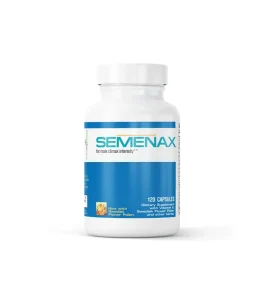
Semenax: Ingredients, Directions and Safety Questions
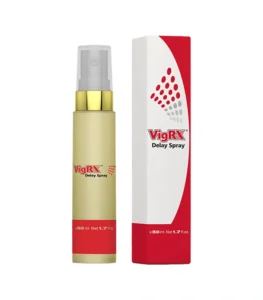
VigRX Delay Spray: What the Manufacturer Says — and What Buyers Should Verify
Spermicide Condoms: Does Nonoxynol-9 Add Protection?
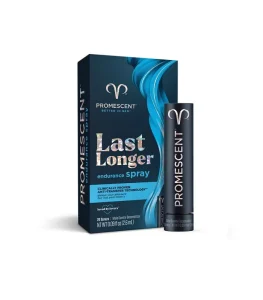
লিডোকেইন বনাম বেনজোকেইন ডিলে স্প্রে: পার্থক্য ও সতর্কতা
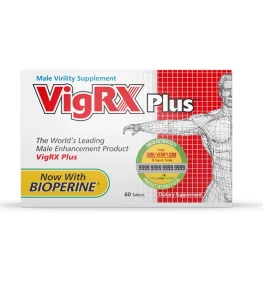
ভিগআরএক্স প্লাস আসল চেনার উপায়
Hidden Drug Ingredients in Sexual Enhancement Supplements: FDA Warnings
Probiotics: What They Are, What the Evidence Shows and Safety
Bathmate Hydro 7 vs Hydromax 7: What’s Different?
VigRX Plus: Label Ingredients and How to Verify Authenticity
