 Reusable Belt Condoms

Health Info
Silicone vs TPE Reusable Sleeves: Feel, Care and Durability Compared


Reusable sleeves are mostly made from one of two soft materials: silicone or TPE (thermoplastic elastomer). The difference matters most for cleaning. Silicone is non-porous, so it can be cleaned thoroughly and, for most products, boiled. Most TPE is porous: it can hold on to bacteria, usually can’t be fully sanitised, and wears out sooner. Both need water-based lube, and neither is a condom: a sleeve does not protect against pregnancy or sexually transmitted infections. Here is how the two compare and how to look after each.
Silicone vs TPE at a glance
| Silicone | TPE | |
|---|---|---|
| Surface | Relatively non-porous | Most TPE is porous |
| Cleaning | Warm soapy water | Warm soapy water |
| Sanitising | Can usually be boiled for a few minutes, if the maker allows it | Usually can’t be fully sanitised; don’t boil |
| Lubricant | Water-based. Silicone lube can damage silicone | Water-based. Avoid oil-based |
| Wear over time | Holds up well with care | Shows wear, dulling and sometimes shrinking over time |
| Storage | Separately from other soft toys | Separately from other soft toys |
Source: product-care guidance from Trans Tool Shed and Respect Inc (Queensland), listed below.
Feel
Both materials are soft and stretchy. Respect Inc notes that silicone warms to skin temperature quickly and holds body heat. TPE is often very soft and is common in clear “crystal” styles. Thickness, texture and fit affect the feel far more than the material, so compare those on the product page too.
Cleaning and care
Silicone:
- Wash with warm water and mild soap after every use, inside and out.
- To sanitise, boil for a few minutes if the product’s instructions allow it. Remove any vibrating or electronic part first.
- Dry fully and store in a clean pouch or box.
TPE:
- Wash with warm water and mild soap after every use, inside and out.
- Don’t boil it and don’t use very hot water; TPE usually can’t be fully sanitised.
- Dry fully, store on its own, and don’t share it.
- Replace it when it looks dull, sticky, cracked or misshapen.
For a step-by-step guide to fitting, lube and cleaning, see how to use a silicone condom sleeve.
Lubricant: water-based for both
Water-based lube is the safe choice for both materials. Silicone lube can damage the surface of silicone products, and oil-based lubes are best avoided with TPE. If you also use a latex condom, water-based lube suits that too, because oil weakens latex.
Storage
Keep each sleeve in its own clean pouch or box, away from other soft toys. Both guides warn that chemicals in other soft products can leach between materials that touch.
Which should you choose?
- Choose silicone if easy, thorough cleaning matters most to you, or you want a sleeve that lasts.
- Choose TPE if you prefer a very soft or clear sleeve and are happy to replace it more often, and keep it for your own use only.
Whichever you choose, a sleeve is not a condom. If you need protection from pregnancy or STIs, use a condom.
The takeaway
Choose silicone if easy, thorough cleaning matters most, or TPE if you prefer a very soft or clear sleeve and will replace it more often. Use water-based lube with both, and remember that neither is a condom.
Our product pages name the material where we have it confirmed. For example, the Top Notch Lock Love sleeve (TP07) and the Dragon sleeve (MC09-B) are TPE. If a page doesn’t state the material, message us before ordering. See all reusable sleeves.
Bangladesh: order on the website with cash on delivery; delivery terms are on our Delivery & Return page. Qatar: Available in Qatar. To order, contact WhatsApp WhatsApp Qatar. In-stock products can be supplied; other products are available for pre-order, subject to confirmation.
Sources
- Trans Tool Shed: Product care and cleaning (silicone and TPE/TPR)
- Respect Inc (Queensland): Cleaning and caring for your sex toys
About this guide: researched and drafted with AI assistance (Claude) from the sources listed above, and published by Amzad Hosen, owner of Vita Health Care. It has not been medically reviewed. This is general information, not medical advice. Last reviewed: 1 October 2026.

Related Posts
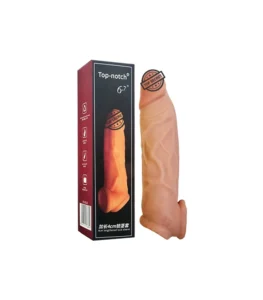
Silicone vs TPE Reusable Sleeves: Feel, Care and Durability Compared

Lubricant Ingredients to Check: Glycerin, Parabens and pH
Breast Firming Gels: What They Can and Can’t Do
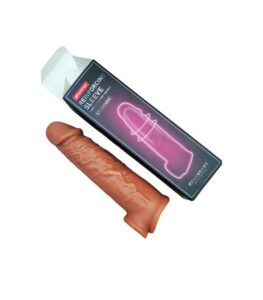
How to Store a Reusable Sleeve Discreetly, at Home or in a Bag
ডিলে স্প্রের মেয়াদ ও ব্যাচ নম্বর দেখার নিয়ম
Delay Spray for Men Over 40: What to Check With a Doctor First
What Is a Dragon Sleeve? Texture, Fit and Care
Reading Batch Codes and Expiry Dates on Sprays, Condoms and Lubes
VitaFLUX for Women: What the Label Says
What Is a Crystal Condom (Clear Reusable Sleeve)?
লাভ লক কনডম ব্যবহারের নিয়ম: সাইজ, পরিষ্কার ও নিরাপত্তা
জাম্বু কনডম কী? সাইজ, দাম কোথায় দেখবেন ও ব্যবহারের নিয়ম
