 Reusable Belt Condoms

Health Info


A lubricant’s ingredient list tells you more than its front label. The points that matter most are what it’s based on (water, silicone or oil), how much glycerin or propylene glycol it contains, its pH, and whether it contains nonoxynol-9. The World Health Organization (WHO), with UNFPA and FHI 360, has published guidance on these points. In short, it recommends a lubricant that is close to the body’s own conditions (low “osmolality” and the right pH), without nonoxynol-9, and never oil-based with latex condoms. Here is how to read a label with that in mind.
Start with the base
- Water-based: water is first or near the top of the list. These work with all condoms and toys, and wash off easily.
- Silicone-based: look for dimethicone, dimeticonol or cyclomethicone. They last longer and are safe with latex condoms. Many makers advise against using them with silicone toys or sleeves.
- Oil-based: mineral oil, petroleum jelly or plant oils. The WHO note says latex condoms rapidly lose strength when exposed to oil-based lubricants, so don’t use them with latex.
Glycerin and propylene glycol: why “osmolality” matters
Glycerin (glycerol) and propylene glycol keep a water-based lube slippery and stop it drying out. In high amounts, they make the lubricant much more concentrated than body fluids. Scientists call this concentration “osmolality”. A very concentrated lube can draw water out of the delicate lining of the vagina or rectum.
The WHO advisory note says:
- Ideally, a personal lubricant’s osmolality should not exceed 380 mOsm/kg.
- In practice, it accepts a maximum of 1,200 mOsm/kg.
- To stay under 1,200, it suggests glycerol at 9.9% or less and propylene glycol at 8.3% or less of the product’s weight.
Most labels don’t print osmolality or percentages. Ingredients are usually listed from most to least, so glycerin or propylene glycol near the top suggests a larger share, but you can’t work out the exact amount from the order. If it matters to you, for example if you have frequent irritation, ask the maker.
pH: different for vaginal and anal use
| Use | pH recommended in the WHO note |
|---|---|
| Vaginal | Around 4.5 |
| Anal, or where use isn’t known | 5.5 to 7 |
The vagina is naturally acidic, so a lube close to its pH is less likely to upset its balance. Some makers print the pH on the pack or their website; if not, you won’t be able to tell from the ingredients alone.
Ingredients the WHO note advises against
- Nonoxynol-9, a spermicide, because of significant irritant effects. Its use in lubricants is not recommended.
- Polyquaternium-15, which the note says should be avoided until there is more evidence about its effects.
Preservatives, including parabens
Water-based lubes need a preservative to stop germs growing. The WHO note says parabens (names ending in “-paraben”) are the most commonly used. Others you may see include potassium sorbate, sodium benzoate and phenoxyethanol. A preservative-free water-based lube would spoil quickly, so a preservative isn’t a bad sign in itself. If you react to a product, note its preservative and avoid it next time.
Fragrance, flavours, warming and tingling
Added scents, flavours, sugars, and warming or tingling ingredients are extra things that can irritate sensitive skin. If you’ve had irritation before, choose a plain, unscented lube.
Reading a real label
The Promescent Water Lube we stock lists, according to its maker: glycerin, water, pentylene glycol, cellulose gum and potassium sorbate. That tells you it is water-based, its humectant is glycerin, its preservative is potassium sorbate, and it contains no nonoxynol-9, fragrance or parabens. The maker states it is compatible with latex and polyurethane condoms and silicone toys. The maker’s page doesn’t give pH or osmolality, so those can’t be judged from the label.
When a lube may be the problem
Stop using a lubricant if it causes burning, itching or soreness. If symptoms continue after you stop, or you have unusual discharge, pain or sores, see a doctor, because a lube reaction can look like an infection.
The takeaway
Read the base first, then look for glycerin or propylene glycol near the top, the pH if the maker gives it, and avoid nonoxynol-9; never use oil with latex condoms.
Browse our lubricants. If you want the ingredient list of a specific product before ordering, message us and we’ll check the label for you.
Bangladesh: order on the website with cash on delivery; delivery terms are on our Delivery & Return page. Qatar: Available in Qatar. To order, contact WhatsApp WhatsApp Qatar. In-stock products can be supplied; other products are available for pre-order, subject to confirmation.
Sources
- WHO/UNFPA/FHI 360 (2012): Use and procurement of additional lubricants for male and female condoms, advisory note (PDF copy)
- Promescent (Absorption Pharmaceuticals): Water Lube ingredients and compatibility
About this guide: researched and drafted with AI assistance (Claude) from the sources listed above, and published by Amzad Hosen, owner of Vita Health Care. It has not been medically reviewed. This is general information, not medical advice. Last reviewed: 1 October 2026.

Related Posts
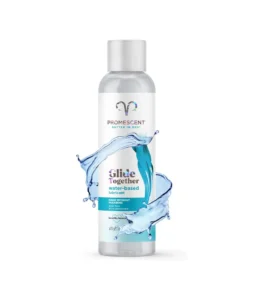
Lubricant Ingredients to Check: Glycerin, Parabens and pH

Breast Firming Gels: What They Can and Can’t Do
How to Store a Reusable Sleeve Discreetly, at Home or in a Bag
ডিলে স্প্রের মেয়াদ ও ব্যাচ নম্বর দেখার নিয়ম
Delay Spray for Men Over 40: What to Check With a Doctor First

What Is a Dragon Sleeve? Texture, Fit and Care
Reading Batch Codes and Expiry Dates on Sprays, Condoms and Lubes
VitaFLUX for Women: What the Label Says

What Is a Crystal Condom (Clear Reusable Sleeve)?
লাভ লক কনডম ব্যবহারের নিয়ম: সাইজ, পরিষ্কার ও নিরাপত্তা
জাম্বু কনডম কী? সাইজ, দাম কোথায় দেখবেন ও ব্যবহারের নিয়ম
বেল্ট কনডম কী? সিলিকন বেল্ট কনডমের সাইজ ও ব্যবহারের নিয়ম
