 Reusable Belt Condoms

Health Info

Probiotics are live microorganisms intended to have health benefits. Research shows promise for a few specific uses, such as preventing antibiotic-associated diarrhoea, but the US National Center for Complementary and Integrative Health (NCCIH) says that in most instances we still do not know which probiotics help, how much to take, or who benefits. They have a long history of apparently safe use in healthy people; the risks are greater for people who are seriously ill or have a weakened immune system.
What are probiotics?
NCCIH defines probiotics as live microorganisms intended to have health benefits when consumed or applied to the body. They are found in yoghurt and other fermented foods as well as in supplements.
The most common are bacteria from the Lactobacillus and Bifidobacterium groups; yeasts such as Saccharomyces boulardii are also used.
| Term | Meaning (NCCIH) |
|---|---|
| Probiotic | Live microorganisms intended to have health benefits |
| Prebiotic | Non-digestible food components that stimulate the growth or activity of desirable microorganisms |
| Synbiotic | A product that combines probiotics and prebiotics |
Why the strain matters
Different probiotics may have different effects. NCCIH gives this example: if a specific kind of Lactobacillus helps prevent an illness, that does not necessarily mean another kind of Lactobacillus, or any Bifidobacterium, would do the same. A product’s total count, such as “60 billion”, does not tell you whether its particular strains have been studied for your purpose.
What does the research show?
NCCIH says probiotics have shown promise for several purposes, including:
- preventing antibiotic-associated diarrhoea
- treating infant colic
- treating periodontal (gum) disease
- inducing or maintaining remission in ulcerative colitis
It then adds the caution that matters most to a buyer: in most instances we still do not know which probiotics are helpful and which are not, how much people would have to take, or who would be most likely to benefit.
How might they work?
According to NCCIH, probiotics might help the body maintain or restore a healthy community of microorganisms, produce substances that have desirable effects, and influence the immune response. These are possible mechanisms, not proven benefits of any one product.
Are probiotics safe?
- Healthy people: probiotics have an extensive history of apparently safe use, but NCCIH notes few studies have looked at safety in detail.
- Higher-risk people: the risk of harmful effects is greater in people with severe illnesses or compromised immune systems. Severe or fatal infections have been reported in premature infants given probiotics.
- Possible harms: infections, production of harmful substances by the microorganisms, and transfer of antibiotic-resistance genes to other microorganisms in the gut.
- Label accuracy: some products have been reported to contain microorganisms other than those listed on the label.
NCCIH’s advice is to consult your health care provider before taking a probiotic supplement, especially if you have health problems, and not to use probiotics as a reason to postpone seeing a provider about a health problem.
What to check on a probiotic label
- The named strains, not just “probiotic blend”.
- The count per serving and the serving size.
- Storage instructions, since these are live organisms.
- The expiry date.
- Any claims: in the US, supplement labels are not allowed to claim that a product lowers the risk of a disease without regulatory consent, so treat disease claims with caution.
We list a probiotic supplement. We have not verified the strains or counts on its label; read the pack you receive. The product page shows the current price and availability.
Common questions
Should I take probiotics with antibiotics?
Preventing antibiotic-associated diarrhoea is one of the uses NCCIH lists as promising. Ask your doctor or pharmacist which product, if any, suits you.
Are more billions better?
Not necessarily. Effects depend on the strain, and the right amount is not established for most uses.
Can probiotics replace medical treatment?
No. NCCIH says not to use them as a reason to postpone seeing a health care provider.
The takeaway
Probiotics are promising for a few specific uses and uncertain for most. Choose by named strains, follow the label, and check with a health professional first if you are seriously ill, have a weakened immune system or are buying for an infant.
We buy our products directly from the brands’ official websites or arrange supply directly with the companies; we are not an authorised distributor of the brands mentioned.
Bangladesh: order on the website with cash on delivery; delivery terms are on our Delivery & Return page. Qatar: Available in Qatar. To order, contact WhatsApp WhatsApp Qatar. In-stock products can be supplied; other products are available for pre-order, subject to confirmation.
Sources
About this guide: researched and drafted with AI assistance (Claude) from the sources listed above, and published by Amzad Hosen, owner of Vita Health Care. The guide has not been medically reviewed. This is general information, not medical advice; it cannot diagnose a condition. Last reviewed: 2 October 2026.

Related Posts
Probiotics: What They Are, What the Evidence Shows and Safety

Bathmate Hydro 7 vs Hydromax 7: What’s Different?
VigRX Plus: Label Ingredients and How to Verify Authenticity
Does Ginseng Help Erections? What the Evidence Says
ProSolution Plus: What’s on the Label and What the Evidence Says
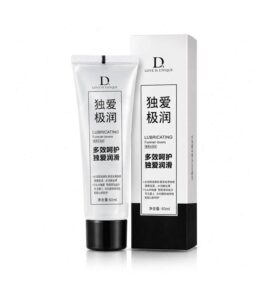
লুব্রিকেন্ট জেল কী, কেন ও কীভাবে ব্যবহার করবেন
Melatonin for Sleep: What It Helps, Safety and What to Check
কাতারে থাকা প্রবাসী বাংলাদেশিদের জন্য অর্ডার গাইড

Love Lock vs Jambu vs Top Notch: Which Lock-Style Sleeve Fits You?
Yohimbe in Male Supplements: Evidence and Risks
Ordering VitaHC Products From Qatar via WhatsApp
Penis Pump Safety: How to Use One Without Injury